Everything was revised or overwritten, both initially, at the time of first publication, and then for this book. I don’t know if my most recent thought is my best thought, but I tend to give it the benefit of the doubt. What starts in improvisation, which is my basic method of composition for essays, has the benefit of lots of later reflection. I’m not saying I always revise but that I always rethink. I can’t help myself. I am a man of constant second and third thoughts ( and I’ve seen trouble all my days ). And often the key revisions for me are paratextual in nature: the footnoting, the acknowledgments, the visual layout of the paragraphs, the organization of the sections, and all the issues that come up in copyediting. Endless fussing. I was very lucky to work with Carol Saller, author of The Subversive Copyeditor and The Chicago Manual of Style Online’s Q&A. Since my essays are filled with linguistic anomalies, rebarbative inconsistencies, and counter-conventional turns of phrase, ferreting out my errors from my mistakes takes a verbal sleuth. More often than not I fool myself. It’s great fun when copy-editing is taken as collaborative and constructive rather than punitive and regulatory. (Carol even makes a cameo appearance in one of the footnotes .) But then it’s surely Susan Bee who catches most of my errors and points out many of my mistakes, too. I seem to make more unintended typographical errors as each day passes; Susan has her hands full and I am grateful she has not yet given up on me.
Not claimed by Charles Bernstein
Charles Bernstein has not joined FLAPSS and has not endorsed it. This page is a reference record assembled from published interviews and public remarks. Every answer below is a direct quotation with the source and date shown next to it.
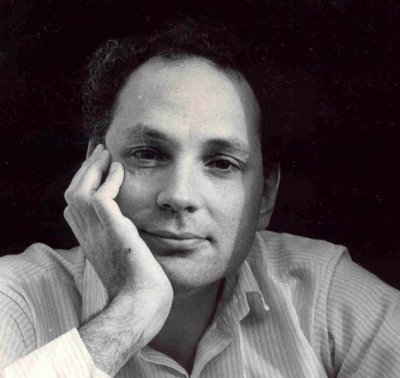
Charles Bernstein
American writer
United States · b. 1950
Arts and letters
About
Charles Bernstein (born April 4, 1950) is an American poet, essayist, editor, and literary scholar. Bernstein is the Donald T.
1 answer
Every quotation above is reproduced from the source shown beside it and has not been edited. Charles Bernstein did not write these answers for FLAPSS. Request a correction or removal.