I know it is coming, and I do not fear it, because I believe there is nothing on the other side of death to fear. I hope to be spared as much pain as possible on the approach path. I was perfectly content before I was born, and I think of death as the same state. I am grateful for the gifts of intelligence, love, wonder and laughter. You can’t say it wasn’t interesting. My lifetime’s memories are what I have brought home from the trip. I will require them for eternity no more than that little souvenir of the Eiffel Tower I brought home from Paris.
Not claimed by Roger Ebert
Roger Ebert has not joined FLAPSS and has not endorsed it. This page is a reference record assembled from published interviews and public remarks. Every answer below is a direct quotation with the source and date shown next to it.
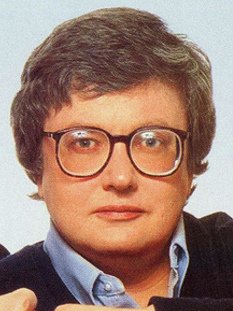
Roger Ebert
Film critic
United States · 1942–2013
Arts and letters
About
Film critic of the Chicago Sun-Times from 1967 and the first film critic to win the Pulitzer Prize for Criticism. Treated for thyroid and salivary gland cancer from 2002, he lost his lower jaw and the ability to speak, eat and drink in 2006, and turned his journal at rogerebert.com into the most widely read thing he wrote. He continued reviewing until two days before his death in April 2013.
6 answers
One of these days I will encounter what Henry James called on his deathbed “the distinguished thing.” I will not be conscious of the moment of passing. In this life I have already been declared dead. It wasn’t so bad. After the first ruptured artery, the doctors thought I was finished. My wife, Chaz, said she sensed that I was still alive and was communicating to her that I wasn’t finished yet. She said our hearts were beating in unison, although my heartbeat couldn’t be discovered. She told the doctors I was alive, they did what doctors do, and here I am, alive.
Every quotation above is reproduced from the source shown beside it and has not been edited. Roger Ebert did not write these answers for FLAPSS. Request a correction or removal.