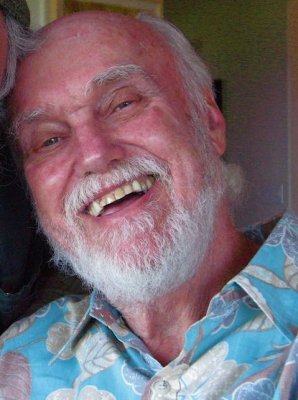
Well, don’t you think that we are all like that? I mean in some ways the deepest fear for a lot of people is getting to the end of their life and think that they did it wrong.
Originally asked
Krista Tippett, to her guests, On Being
Krista Tippett uses this as a recurring, sometimes-closing On Being question; the wording is intentionally adapted to each guest.
You answer as yourself. Nobody on FLAPSS answers as anybody else.
Ross Simonini, The Believer, issue 115, by Skype from Hawaii, 20 November 2017 source ↗
Others on this question
View all 22 →There were so many needs for us to continue to work for freedom, because I didn’t think that we should have to be treated in the way we were, just for the sake of white supremacy, because it was designed to make them feel superior, and us feel inferior. That was the whole plan of racially enforced segregation.
The movement has perfected a rarefied form of America’s addiction to self-rule, which denies much of our humanity: our fragile bodies, our finitude, our need to stare down our deaths (at least once in a while) and be filled with dread and wonder. At some point, we must say to ourselves, I’m going to need to let go.
today, I'm a very happy man, not because of financial success, but because of the people in my life.
More from Ram Dass
View profile →Well, I—I've experienced that the stroke was grace. It was grace, for me, to play, to get inside, grace. I was dependent. These are things that I—those, those were graceful things. You know, pushed. And just go inside, to be—you're a quote "author" and it's a cultural thing, that role, to get into your head. But it's a head game. It's a head game. And I wanted to get down to my spiritual identity. And the stroke placed me at the spiritual identity.
This is why I could speak the way I did yesterday. In California, the stroke is incredible grace because it gives me a prescription to buy pot. ... Pot takes away the pain and frees me from spasticity. ... The marijuana gives me soul perspective. It makes the stroke livable.
I was close to death, and I didn't rush into my spirit. I spent the time in the hospital just looking at the pipes on the ceiling. ... I failed because this was a trauma, a trauma, and I'm not reacting to it spiritually.
everyone saw me as a victim of a terrible illness. But what happened to my body was far less frightening than what happened to my soul. The stroke wiped out my faith. It took me so far from my guru that I felt my oxygen cord had been cut. ... I couldn't put the two together. Then I thought, maybe the stroke is a form of grace, and I hunted for that: how could the stroke be seen as grace? ... The stroke was giving me lessons, advanced lessons. ... It brought me into my soul, and that's grace.
More on values & belief
- Which living person do you most admire, and why? 412 answers
- What is the trait you most deplore in others? 202 answers
- What is something everyone in your world agrees about that you think is wrong? 83 answers
- What are you unwilling to optimise? 34 answers
- What important truth do very few people agree with you on? 17 answers
- What do you need to believe in order to get through the day? 16 answers
Also answered this
Tony Judt, David Lynch, Cheryl Strayed, Christopher Hitchens, David Hare, Paul Kalanithi
Search the directory for somebody in particular.
Explore further
- All values & belief questions
- Explore the archive — by field, age, era, and subject